
- Posts: 16
- Thank you received: 0
Has a professional ever suggested VR to you as a tool for finding calm?
10 months 7 hours ago #18
by villy83
A few years ago, I was on holiday in England when I received the news that shattered my world: my mum was gone.
It was unexpected, and in a cruel twist of fate, I was miles away.
What I've learned since is that the grief itself didn't disappear; it moved in.
And the loudest, most persistent room in this new house of grief is the one of self-blame.
A constant, echoing question: "Why couldn't I have been there?"
I've tried different therapies, which have been like finding a temporary patch of sunlight on a cloudy day—a real, but fleeting, relief.
Now, as I study psychology, I find myself looking at my own grief through a new lens.
I'm now asking not only "how do I cope?" but a "what tools could truly help a heart in this kind of pain?"
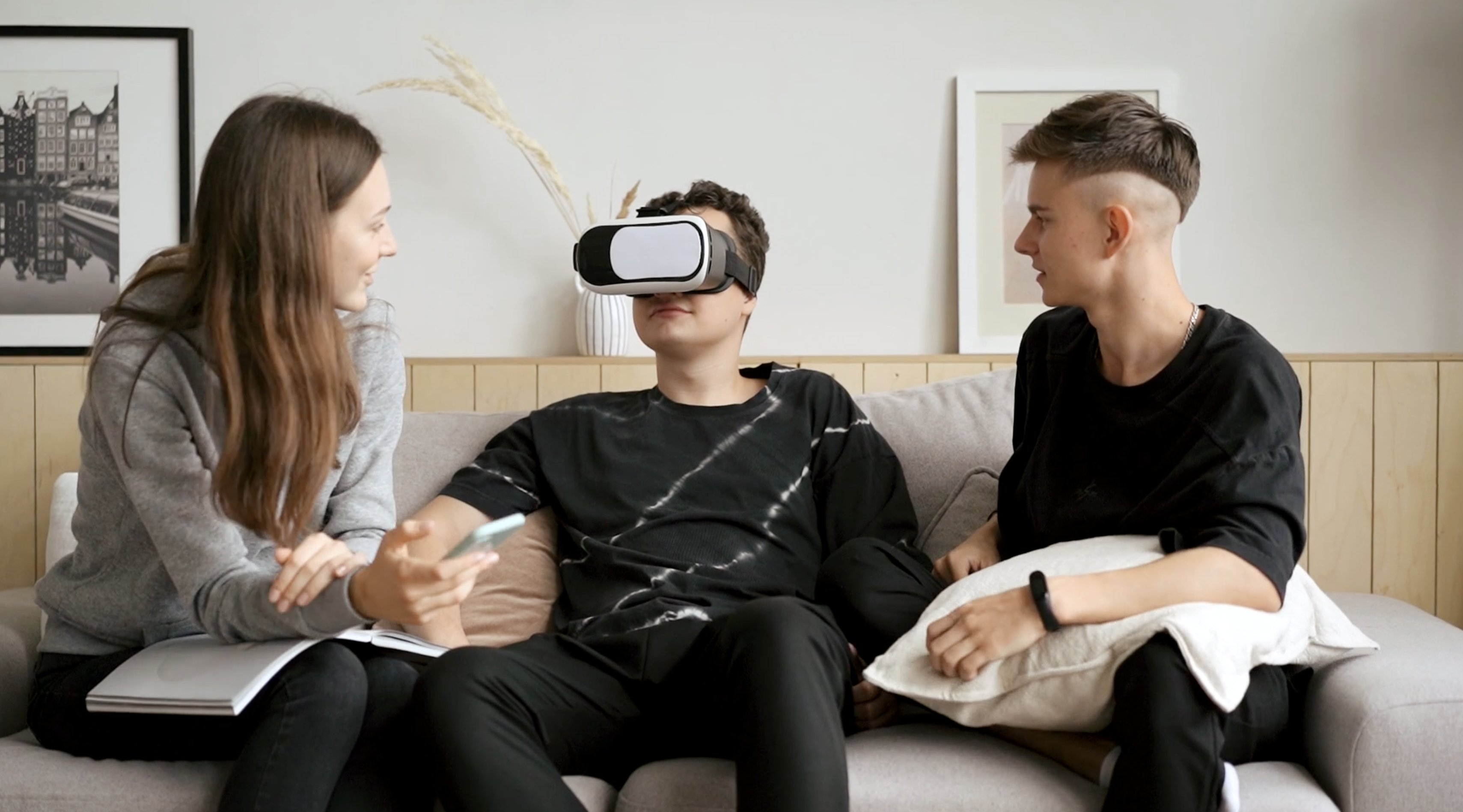
And that's where my mind keeps landing: on the potential of Virtual Reality (VR).
For someone like me, carrying the weight of not being there, it could be about creating a new kind of presence.
Let's talk about how:
1. Revisiting and reclaiming memories
Right now, memories can feel like watching a movie on a screen—you're separate from them.
What if VR could let you step into them?
Imagine not just remembering your mum's kitchen, but being able to stand in it again.
To sit at the table, to hear the familiar hum of the refrigerator.
This is a form of reconnection.
For those of us haunted by absence, it could be a profound way to feel a tangible sense of closeness and peace, on our own terms.
2. A Space for unspoken conversations
The "unfinished business" of a sudden loss is a heavy burden.
VR could create a safe, private sanctuary—a quiet virtual beach or a familiar garden—where you could have the conversation you never got to have.
This is about giving the emotional brain a powerful, symbolic space to express the love, the apologies, and the words left unsaid. It’s a therapeutic tool for release.
3. "Switching Off" the overwhelm
Grief isn't a constant state; it comes in waves that can be utterly drowning.
Sometimes, you just need a break to breathe.
VR can be that "off-switch" for the nervous system.
When the world feels too heavy, you could put on a headset and be transported to a calming, guided meditation in a redwood forest or by a gentle ocean.
It’s a way to actively manage the pain, to give yourself a moment of respite so you can gather the strength to continue processing it.
There is no a magic eraser for grief, but about building bridges back to the love we carry, and finding new ways to give our pain a space where it can finally, slowly, begin to soften.
It was unexpected, and in a cruel twist of fate, I was miles away.
What I've learned since is that the grief itself didn't disappear; it moved in.
And the loudest, most persistent room in this new house of grief is the one of self-blame.
A constant, echoing question: "Why couldn't I have been there?"
I've tried different therapies, which have been like finding a temporary patch of sunlight on a cloudy day—a real, but fleeting, relief.
Now, as I study psychology, I find myself looking at my own grief through a new lens.
I'm now asking not only "how do I cope?" but a "what tools could truly help a heart in this kind of pain?"
And that's where my mind keeps landing: on the potential of Virtual Reality (VR).
For someone like me, carrying the weight of not being there, it could be about creating a new kind of presence.
Let's talk about how:
1. Revisiting and reclaiming memories
Right now, memories can feel like watching a movie on a screen—you're separate from them.
What if VR could let you step into them?
Imagine not just remembering your mum's kitchen, but being able to stand in it again.
To sit at the table, to hear the familiar hum of the refrigerator.
This is a form of reconnection.
For those of us haunted by absence, it could be a profound way to feel a tangible sense of closeness and peace, on our own terms.
2. A Space for unspoken conversations
The "unfinished business" of a sudden loss is a heavy burden.
VR could create a safe, private sanctuary—a quiet virtual beach or a familiar garden—where you could have the conversation you never got to have.
This is about giving the emotional brain a powerful, symbolic space to express the love, the apologies, and the words left unsaid. It’s a therapeutic tool for release.
3. "Switching Off" the overwhelm
Grief isn't a constant state; it comes in waves that can be utterly drowning.
Sometimes, you just need a break to breathe.
VR can be that "off-switch" for the nervous system.
When the world feels too heavy, you could put on a headset and be transported to a calming, guided meditation in a redwood forest or by a gentle ocean.
It’s a way to actively manage the pain, to give yourself a moment of respite so you can gather the strength to continue processing it.
There is no a magic eraser for grief, but about building bridges back to the love we carry, and finding new ways to give our pain a space where it can finally, slowly, begin to soften.
Please Log in or Create an account to join the conversation.
10 months 7 hours ago #19
by villy83
Replied by villy83 on topic Has a professional ever suggested VR to you as a tool for finding calm?
Please note that this technology may not be suitable for everyone, as each person's brain may react differently.
You can try it if it sounds like a good fit for you!
Hope it helps. 🙏
You can try it if it sounds like a good fit for you!
Hope it helps. 🙏
Please Log in or Create an account to join the conversation.
Time to create page: 0.272 seconds